Pir-o-Murshid · Founder of the Sufi Message in the West
Hazrat Inayat Khan
1882–1927
“Truth is a divine inheritance found in the depth of every human heart.”

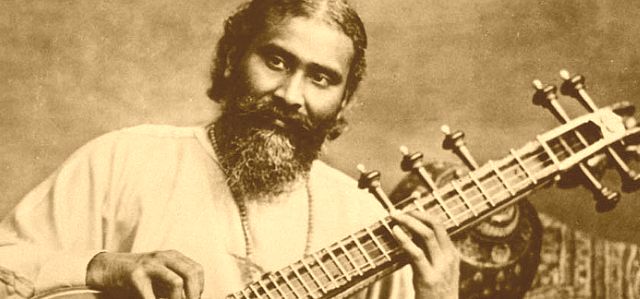
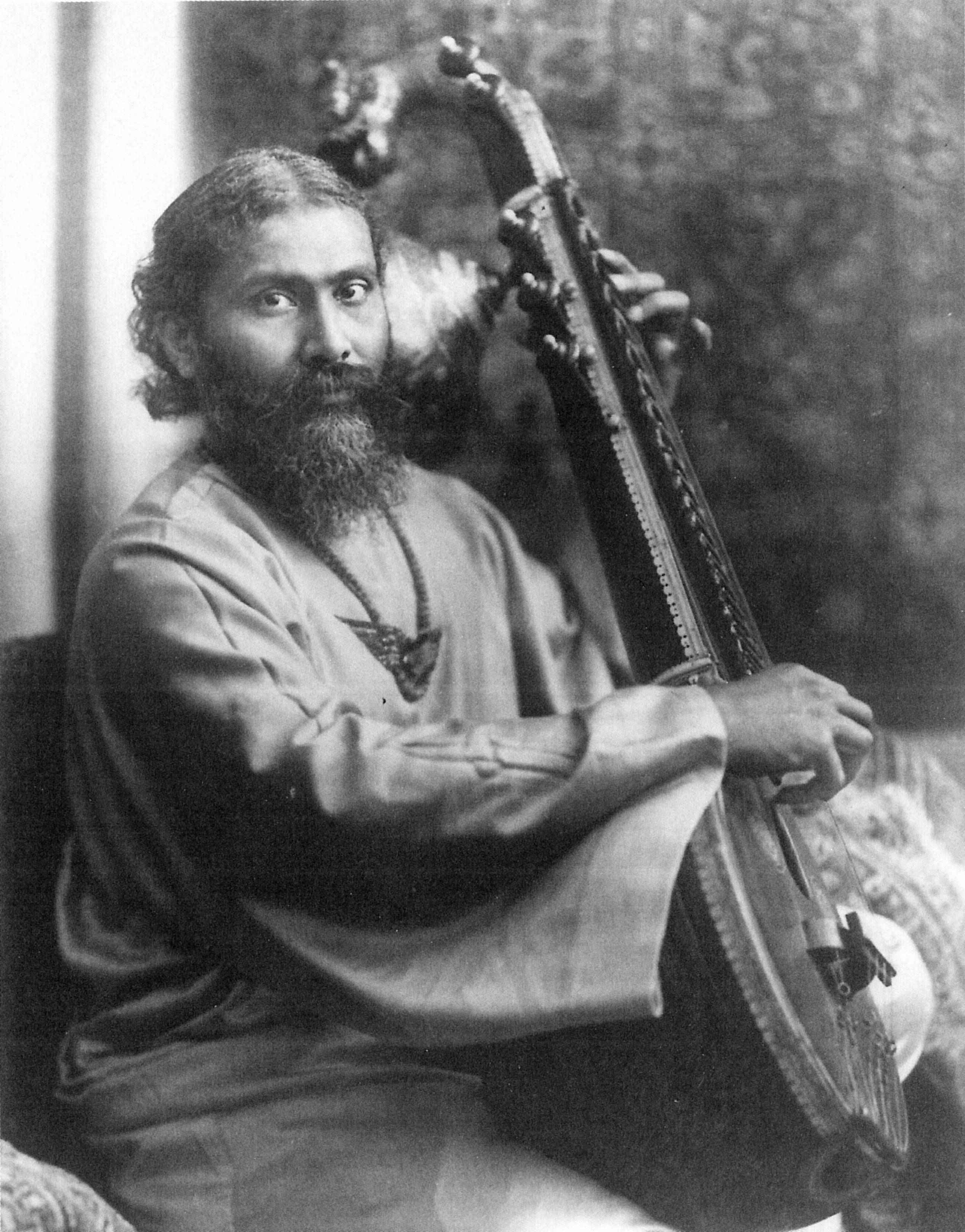
Hazrat Inayat Khan was born on July 5, 1882, in Baroda, India, into a family in which music and devotion were inseparable. His maternal grandfather, Maula Bakhsh — remembered as "the Beethoven of India" — founded the Gayanshala music academy, which lives on today as the music faculty of the University of Baroda. "Music and mysticism were my heritage from both my paternal and maternal grandparents," Inayat Khan later wrote. The gift showed early: he published his first book of music, Balasan Gitmala, at fourteen, and became a professor at his grandfather's academy before he was twenty.
As a young man he traveled across India as a singer and master of the saraswati vina, performing at the courts of princes and nawabs. At the court of the Nizam of Hyderabad he was honored with the title Tansen, after the legendary musician of Akbar's court. Of music he said: "as sound is the highest source of manifestation it is mysterious in itself; and whoever has the knowledge of sound, he indeed knows the secret of the universe. My music is my religion…"
A series of losses — his grandfather, his brother Karamat, and his mother — deepened the spiritual longing that had always accompanied his art. In Hyderabad he met his murshid, Sayyed Abu Hashim Madani, who initiated him into the Chishti lineage of Sufism, with transmission also in the Suhrawardi, Qadiri, and Naqshbandi orders. He served his teacher for four years, until Madani's passing. The charge his murshid gave him set the course of his life: "Fare forth into the world, my child, and harmonize the East and the West with the harmony of thy music."
On September 13, 1910, Inayat Khan sailed from India to America, accompanied by his brother Maheboob Khan and his cousin-brother Mohammed Ali Khan, later joined by his youngest brother Musharaff Khan. He came first as a musician, performing Indian classical music — including with the dancer Ruth St. Denis — but his concerts increasingly became occasions for teaching. In New York he met Ora Ray Baker, who became his wife, Ameena Begum; their four children included Vilayat Inayat Khan, who would later head the Sufi Order in the West, and Noor Inayat Khan. After years of travel through America, England, France, and Russia, the family settled at Suresnes, near Paris, where his annual Summer Schools drew students from across Europe and America.
What he carried West he called the Sufi Message of Love, Harmony and Beauty — a universal message of divine unity, honoring the one truth at the heart of all the world's religions. He organized the Sufi Order in London in the 1910s, with the headquarters of the Sufi Movement later established in Geneva. On May 7, 1921, the first service of Universal Worship was held in London — a service in which candles are lit in honor of the world's great religious traditions — a practice that continues in communities around the world, including our own. His talks, recorded by his students between 1914 and 1926, fill the many volumes of The Sufi Message of Hazrat Inayat Khan; among the best loved is The Mysticism of Sound and Music, where he teaches: "All things being derived from and formed of vibrations have sound hidden within them, as fire is hidden in flint."
In 1926 he returned to India. After a pilgrimage to the shrine of Khwaja Mu'inuddin Chishti at Ajmer, he fell ill and died of pneumonia in Delhi on February 5, 1927, at the age of forty-four. His dargah stands near the shrine of Hazrat Nizamuddin Auliya in Delhi, where seekers of many faiths still come to sit in its peace. Through his students — among them Murshid Samuel L. Lewis, whose stream continues as the Sufi Ruhaniat International — his message flows on. As he wrote in the Gayan: "Truth is a divine inheritance found in the depth of every human heart."
Listen · Elemental Invocation
The Elemental Invocation, sung in the tradition of Hazrat Inayat Khan.
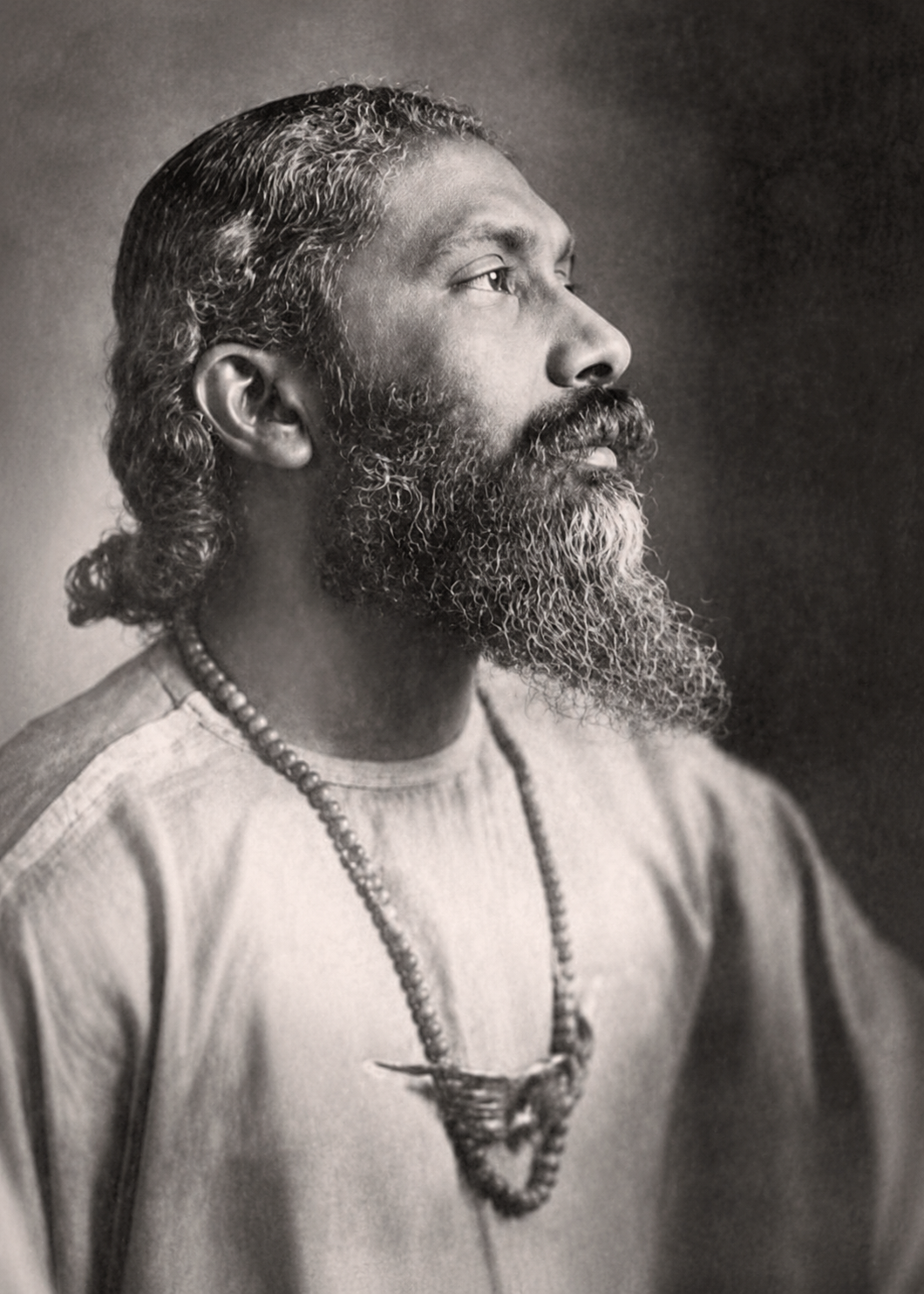
Photographs